
Suicide is preventable, but only if we’re willing to talk about it before a crisis, not just after one.
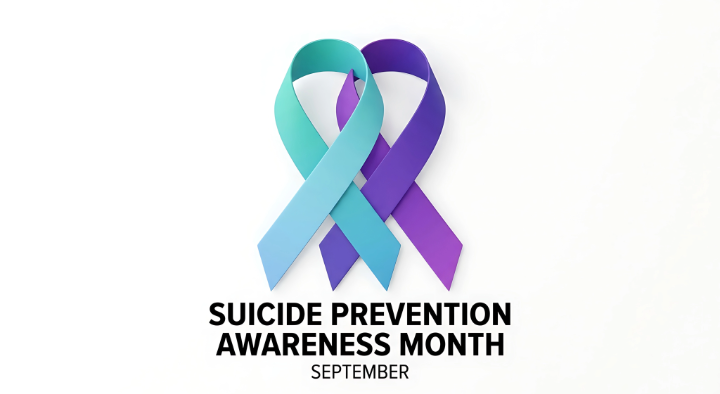
September is Suicide Prevention Month. The purpose of dedicating September to Suicide Prevention Month is twofold, to raise awareness and connect people with the correct resources. According to the CDC Suicide was the 10th leading cause of death in the U.S. in 2024, claiming 48,824 lives. Behind that number, there are many more who struggled in silence, that same year 14.3 million adults seriously considered suicide, 4.6 million made and plan, and 2.2 millon attempted it. It’s important to recognize these statistics represent so much more than numbers; they represent neighbors, students, coworkers, and family members whose pain often went unnoticed until it was too late.
Prevention surveillance are essential to combatting suicide. There are many different reasons that an individual may experience suicidal ideation and its rare behaviors can be pinpointed to a single cause. Risk factors include:
- History of depression and other mental illness
- Bullying
- Loss of relationship
- Lack of access to healthcare
- Community Violence
- Easy access to lethal means of suicide among people at risk
One useful lens for thinking about prevention messaging is the Theory of Planned Behavior (TPB), a framework long used in health communication to understand why people do or don’t act on a health decision. TPB holds that someone is more likely to follow through on a behavior, like seeking help during a crisis, when three conditions are met: the individual believes the behavior is beneficial, the individual believes it’s achievable, and the individual believes it’s socially acceptable.
Karras et al. applied this framework to suicide prevention messaging for veterans in midlife, a group that carries a disproportionate share of the national suicide burden. Researchers found that an individual’s perception on whether help-seeking felt easy and doable was the strongest predictor of veterans’ intent to seek help more so than their attitudes about treatment or how supportive others would be.
Changing how we discuss help-seeking behaviors, then, isn’t just about repeating that support exists. It’s about making support feel achievable. Messaging that shows individuals what asking for help actually looks like, and reflects that others do it too, can shift someone’s sense of whether reaching out is realistic for them. Small shifts in language and framing can lower the perceived barrier to that first step.
If you or someone you know is struggling, help is available right now. The 988 Suicide & Crisis Lifeline connects you with trained counselors 24/7, whether you call or text 988. For veterans specifically, the Veterans Crisis Line offers dedicated, confidential support through that same 988 number (press 1). SAMHSA provides a range of resources for building a safety plan, understanding warning signs, and learning how to support a friend or family member who may be at risk.
________________________________________
This blog post was written by Andrew Bjork, a student at William & Mary in Williamsburg, VA.