
Just Ask.. and Listen.
Sometimes all we need to do is ask. As a student of psychology, most research I see has begun with people, with the intent to better people’s lives, to create new solutions. These are such admirable goals, and such important work. However, as academics, sometimes we forget that the information we are seeking lies within the very people we wish to aid.
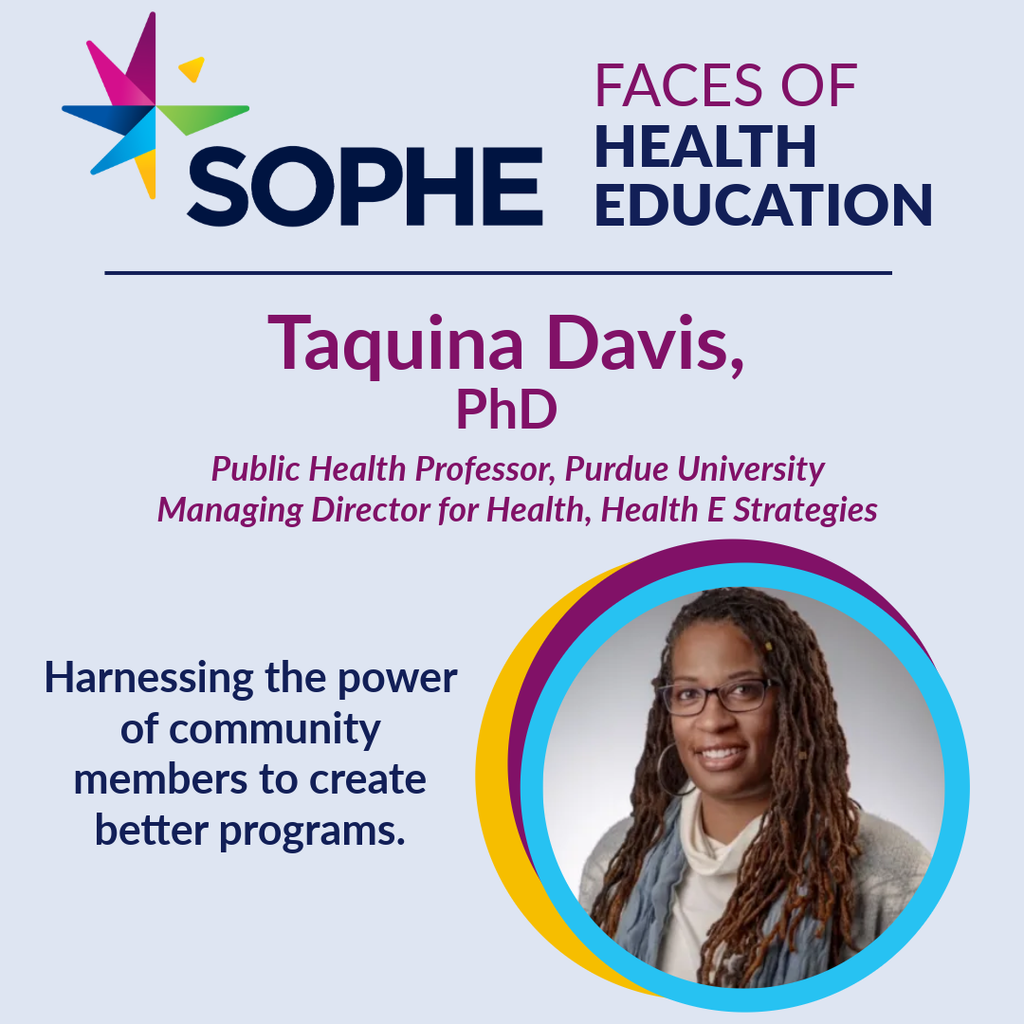
Why create a program that is unneeded? And Taquina “TQ” Davis is an expert at asking.
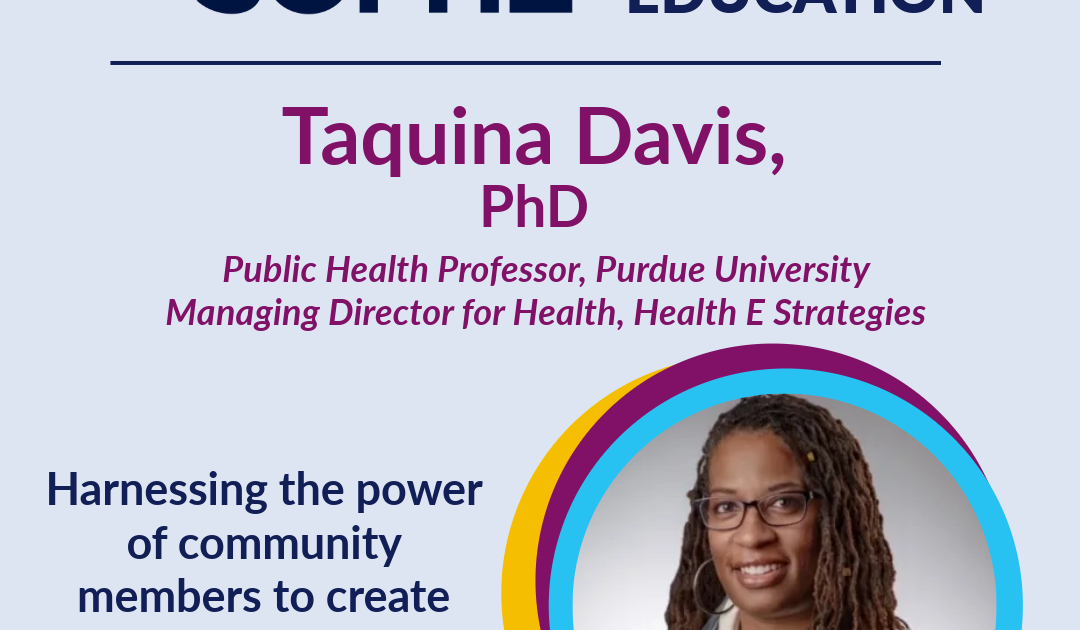
Davis, a professor of public health at Purdue University and managing director for health at her own strategies consulting business ‘Health E Strategies’, works tirelessly to improve the lives of her community members.
And what is the key to Davis’ success in serving her community? The power of the community’s own voice.
“It is good to allow the community to tell you what they need, [because] they know what they need,” Davis remarked when describing how she provides culturally specific interventions to her community.
As health professionals, Davis explains that instead of quickly jumping to a solution, we’d “be surprised… having a community powwow, having a community educational component, where they tell us what are some of their concerns” ends up proving a much better strategy.
A community powwow, also known as a community health assessment, was essential to uncovering Davis’ community goals. The process of asking through town hall meetings and paper and electronic surveys provided essential data allowing Davis to create a “profile of the people that we’re trying to serve.”
From there, the next step is setting priorities. The clearest way to learn community preferences, according to Davis, is to have conversations.
So simple, yet so powerful.
In a personal example from her local community, Davis describes how her team “would go into a community with the assumption they need [something] because we looked at data, and then we’d do a community health needs assessment [finding] that one of the top priorities was actually something different.”
In this example: hypertension.
Following this discovery, she created a health monitoring program that provided participants with blood pressure monitors, diet and exercise guidance, and a blood pressure tracking tool.
Because this issue was genuinely a priority for the people she served, she observed “great outcomes, like a lowering in blood pressure [and] medication adherence.”
By harnessing the power of the community members, the people who know themselves and their priorities best, Davis created a more impactful program. And we can too. All we need to do is ask…and listen.
________________________________________
This blog post was written by Josie Miller, a student at Tufts University passionate about community health, storytelling, and honoring diverse lived experiences. This piece explores how real stories don’t just inform, they create connections, expand perspectives, and help build stronger, more compassionate communities.