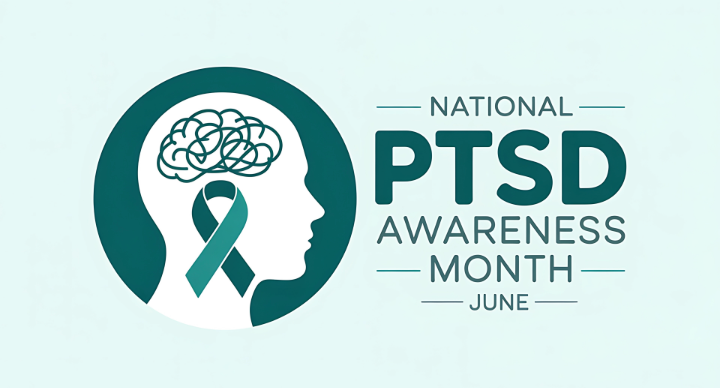

Post-Traumatic Stress Disorder Awareness Month is a valuable opportunity for us to take a step back and analyze our perceptions of PTSD, and the implications it has for those affected. According to the Mayo Clinic, PTSD is a mental health condition that often occurs because of experiencing or witnessing an extremely stressful or traumatic event. They emphasize how when an individual endures a distressing experience, coping and adjusting can be hard in the aftermath. But, when these reactions don’t fade with time and instead persist alongside symptoms such as intrusive memories, avoidance, or heightened anxiety, a healthcare provider may diagnose them with PTSD. Like many other mental health conditions, the stigma around talking about PTSD can be invalidating and isolating for those experiencing it. Generating conversation around this topic can be a valuable step towards creating a supportive environment for them to share their experiences. That is why this month we want to focus on some common misconceptions, and valuable ideas surrounding PTSD that emphasize the nuance of the condition, and the importance of conversation.
PTSD Comes in Many Forms
According to the CDC, PTSD can appear as intense and ongoing fear, nightmares, flashbacks, and avoidant tendencies but, factors like age and the nature of one’s experience can significantly influence how symptoms of PTSD are expressed. Because of the “invisible” nature of many of these symptoms, and the stigma surrounding mental health conversations, individuals can often feel like there is no room for their voice to be heard, or the experience to be seen. This can make it hard for them to identify what care they need and to receive support in seeking it out. For example, the CDC talks about how for children experiencing PTSD, their symptoms can sometimes be mistaken for those of ADHD. In addition, SAMHSA talks about how trauma can be a result of a single event, a series of events, or even a set of circumstances that is damaging to the person in any number of ways. Not only can this experience be demoralizing, but it can also impact their ability to recover as well. Learning more about PTSD and challenging narrow assumptions about what it looks like and who experiences it can make a meaningful difference in many people’s lives. Conversations like these can help people understand PTSD without shame or guilt while also encouraging stronger, more well-rounded support from loved ones.
Effective Treatment is Available and Important
People with PTSD deserve individualized, well-rounded care that helps them readjust and navigate life after trauma. Having resources that help people identify their struggle as not something to be pushed away, but rather part of a condition that deserves compassion and support, can help reduce the guilt and shame that are unfairly imposed upon them. Treatment can be a valuable and important part of that process, and it can help people feel supported in their experience. According to the Mayo Clinic, PTSD can be treated in a variety of ways such as psychotherapy, cognitive behavioral therapy, and certain medications that can help alleviate symptoms to name a few. Treatment and navigating symptoms of PTSD can vary depending on the individual. A key aspect of this care is it being trauma informed, or the understanding that a traumatic experience can impact all aspects of life and using that understanding to create an environment that fosters trust and stability. These clinical tools can help people navigate their symptoms, but having people to lean on can make that process less isolating. The NIH outlines two sets of factors that impact someone’s likelihood of developing PTSD, and how well-equipped they are to navigate it. These are called “risk and resilience factors.” Among the resilience factors the NIH highlights are having a strong support system and effective coping strategies. Both can be nurtured through community and conversation, but it takes initiative and openness from others.
Awareness and Support Can Make a Difference
This month offers an important opportunity to encourage open conversations about PTSD. Awareness and support can have a meaningful impact by creating space for people to share their experiences, and by broadening our understanding of who PTSD affects and how it can appear. In doing so, we can better support our loved ones, make room for more voices to be heard, and become stronger members of our communities. I encourage you to continue learning, explore additional resources, and if you’re curious, review SOPHE’s curated journal publications and pieces.
If you or anyone you know is struggling with their mental health, help is always available. The 998 Suicide & Crisis Hotline is confidential, free, available 24/7/365.
- Call or Text 988
- Chat at 988lifeline.org
________________________________________
This blog post was written by Laya Raju, a student at Boston University who is passionate about information accessibility, community advocacy, and health equity within the field of public health.