
“Tying your shoes isn’t hard once you know how, but if you don’t, you’re lost.”
That sentiment, as I thought about it, rang true—even though I had long forgotten the moment I first learned the skill.
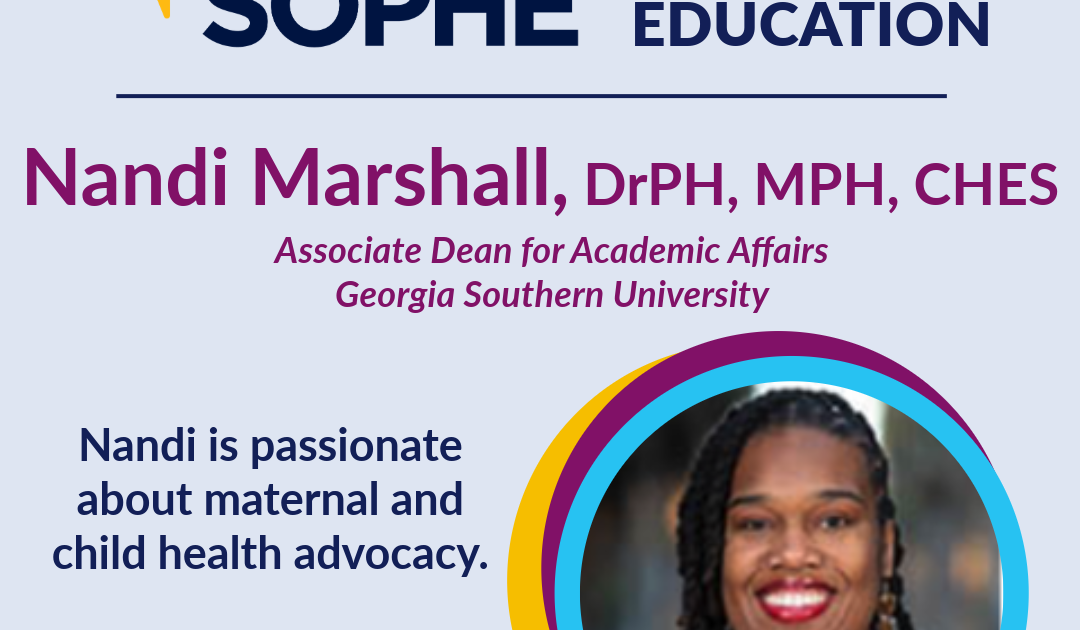
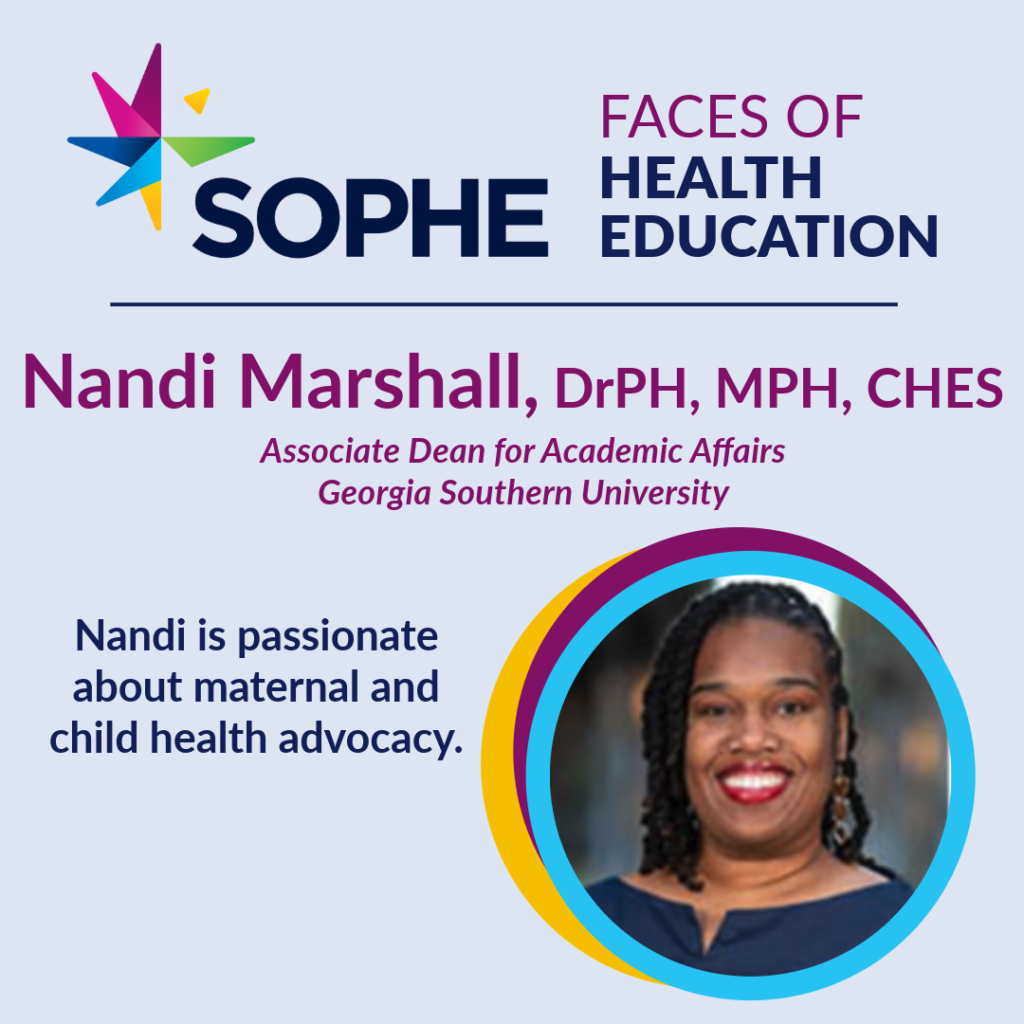
Nandi Marshall, a public health professor and maternal and child health advocate, used this metaphor to describe another ability often assumed to be instinctive, but without guidance and support, can feel frustrating and overwhelming: breastfeeding.
It’s easy to assume that if something is natural, it should also be easy. And breastfeeding is no exception, often being assumed to be intuitive. However, as Marshall says, a lack of preparation and support upon attempting it for the first time can lead to challenges. These challenges can lead new moms to experience unnecessary stress, shame, and feelings of inadequacy, when they simply weren’t given the information necessary to succeed.
Marshall resonates with this, experiencing shame herself attempting to breastfeed her first child. Marshall had her son in 2010, back when she was a graduate student. She describes how breastfeeding wasn’t a question, but a given.
“It wasn’t a question if you are going to breastfeed. It was, well, when you breastfeed. It was an expectation for myself,” she said.
It’s an expectation many new moms have. However, Marshall returned to work soon after giving birth; her stress levels rose as she struggled to produce enough milk. Out of necessity she started using formula after four months, an experience that left her feeling guilty.
A few years later, pregnant with her daughter, she was determined for it to be a different experience. She dove into books and materials, expanding her knowledge. She met with a lactation consultant and now had a private office to pump in. This time she breastfed for 15 months, even donating extra milk.
What made the difference? The extra knowledge and most importantly, the support.
These two vastly different experiences ignited Marshall’s passion for this issue, not only from a personal standpoint but also from an equity lens. If she, an academic in public health, had struggled so much, how could others, particularly Black mothers who face unique barriers, be better supported?
To answer this question she launched into the work, pushing to get breastfeeding on the agenda at community meetings and applying to grants. Alongside efforts to expand education and support systems like lactation consultants, Marshall saw another need: amplifying women’s voices.
“We wanted to be able to share the voices of women in Georgia who are trying to, did, chose not to or who are breastfeeding,” she said. “We wanted to tell their stories and explore what are their barriers to breastfeeding in Savannah, GA.”
And that’s exactly what they did, eventually publishing their digital story board, a powerful collection of personal experiences.
This project has been the backbone of Marshall’s presentations nationwide, helping to raise awareness and shift the narrative around breastfeeding. By pairing research with real stories, she continues to show that with the right knowledge, resources, and support, what once felt overwhelming can become both possible and empowering.
Her work, highlighted in SOPHE’s Health Promotion Practice journal, emphasizes that eliminating disparities in breastfeeding requires addressing systemic barriers to build towards equity, particularly for Black mothers who are disproportionately affected by gaps in access and support.
________________________________________
This blog post was written by Josie Miller, a student at Tufts University passionate about community health, storytelling, and honoring diverse lived experiences. This piece explores how real stories don’t just inform, they create connections, expand perspectives, and help build stronger, more compassionate communities.